Pet Mom, Sorry I Have Plans with My Cat Review
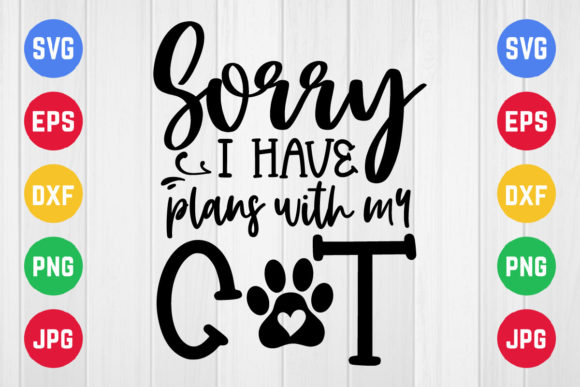
In the world of craft business and handmade apparel, few things resonate as deeply with customers as the genuine love for their pets. As a designer who frequently evaluates digital embroidery file assets for both personal projects and client work, I look beyond just the visual appeal. I need to know how a design translates from screen to fabric. Today, I am putting the "Pet Mom, Sorry I Have Plans with My Cat" design under the microscope. This piece, described as a hand-drawn lettering phrase with calligraphy elements, sits at the intersection of humor, sentimentality, and practical application. But does it hold up when stitched? Let’s dive into the practical realities of using this asset in real-world scenarios.
First Impressions: Mood and Visual Personality
The moment you open the file package, the personality of the design is immediately apparent. The phrase "Pet Mom, Sorry I Have Plans with My Cat" taps into a specific cultural moment where pet ownership is not just a hobby but a primary lifestyle identity. For an Etsy seller or small shop owner, this is gold because it speaks directly to a highly engaged demographic. The hand-drawn nature of the lettering suggests warmth and approachability, moving away from sterile corporate fonts toward something that feels like it was written by a friend.
Visually, the layout appears balanced, relying on the organic flow of the calligraphy to guide the eye. This isn’t a rigid block of text; it has breathing room. In terms of embroidery project viability, this kind of fluid line work often performs beautifully in satin stitches, provided the digitizer (or the source file) handles the curves correctly. It creates a mood that is lighthearted yet affectionate, making it perfect for products that serve as personal expressions rather than just utilitarian items.
Real-World Application: Where This Design Shines
I have spent years testing designs across various substrates, and I can confidently say that this particular phrase finds its sweet spot in specific categories of custom apparel and accessories. Here is how I see it performing in actual production runs:
- Tote Bags and Canvas Totes: This is perhaps the most natural home for this design. A sturdy canvas tote bag provides a flat, stable surface that allows the calligraphy t shirt design elements to shine without distortion. The contrast between the fabric texture and the smooth threads of the lettering creates a tactile experience that buyers love. It turns a simple bag into a statement piece for the grocery store or library run.
- Sweatshirt Embroidery: There is something cozy about seeing humorous text on a sweatshirt. Whether it’s a cropped hoodie or a classic crewneck, this design fits the "comfort wear" aesthetic perfectly. When placed on the chest or centered on the back, it acts as a conversation starter. The durability of embroidery on heavy cotton blends ensures that the message survives countless washes, maintaining the integrity of the handmade product.
- Baby Embroidery and Nursery Decor: While the phrase is geared toward adults, the aesthetic can be softened for baby items. Imagine this on a muslin burp cloth or a baby onesie for a future pet parent. The soft curves of the lettering translate well to smaller scales, creating a cute, personalized gift that feels thoughtful and modern.
- Aprons and Kitchen Towels: For the baker who loves her cat more than her social life, this makes for an excellent kitchen accessory. On a linen apron, the design adds a touch of whimsy to daily chores. It elevates a basic kitchen towel into a curated item, increasing the perceived value of the small shop product.
The Patch and Cap Factor
One of the strongest use cases for this design is as an embroidered patch. Because the text is self-contained and thematic, it works exceptionally well when cut out and applied to denim jackets, beanies, or baseball caps. When digitized as a separate patch, you can control the border and stability independently, ensuring that the stitch density remains consistent even on curved surfaces like hats. This versatility allows a single digital asset to generate multiple revenue streams within a boutique inventory.
Technical Considerations and Potential Pitfalls
No design is without its challenges, and as a reviewer, I must highlight where this piece requires careful handling. The success of "Pet Mom, Sorry I Have Plans with My Cat" hinges largely on execution details.
Fabric Texture and Stability: If you are planning to stitch this on a textured fabric like bouclé or a loose-weave linen, you may encounter issues with thread breakage or misalignment. These fabrics require a robust stabilizer solution—often tear-away combined with cut-away—to keep the garment taut during stitching. Without proper support, the delicate curves of the calligraphy may pucker or distort, ruining the clean look of the final product.
Small Hoop Sizes: Be cautious if you intend to shrink this design down significantly for tiny applications like baby socks or miniature keychains. Hand-drawn lettering relies on negative space and line weight variation. If the hoop size is too small, these nuances get lost, and the text may become illegible or muddy. Always test the minimum viable size before committing to mass production.
Dense Stitch Areas: If the design includes filled areas alongside the text, check the stitch density. Too much fill in a small area can make the fabric stiff and uncomfortable, especially on wearable items like t-shirts. For a phrase-based design, lighter coverage is usually preferred to maintain drape and comfort. Ensure that any decorative accents do not overwhelm the readability of the main message.
Strategic Advice for Sellers and Makers
For those looking to monetize this design, whether as a physical good or a printable mockup, presentation is key. Since the original file is isolated on a white background, you have the freedom to experiment with color palettes. Don’t just stick to standard black or white thread. Consider metallic threads for a premium feel on evening wear, or pastel threads for nursery items. Testing the design in black and white mockups first helps you evaluate the contrast and legibility before investing in expensive specialty threads.
Furthermore, always inspect small details closely. Calligraphy often features thin hairlines that can disappear if the thread tension is off or if the needle is dull. Run a test stitch on scrap fabric that matches your final product exactly. Check for any gaps in the satin stitches or uneven tension in the fill areas. This step is non-negotiable for maintaining brand consistency and customer trust.
Finally, remember the licensing implications. Even though this is a graphics product intended for crafting, verify the commercial use rights before listing it on marketplaces. Clear licensing protects your business and assures customers that they are buying from a legitimate source. By combining high-quality execution with strategic placement, "Pet Mom, Sorry I Have Plans with My Cat" can become a staple in your commercial embroidery catalog, appealing to the vast community of cat lovers who want to wear their passion on their sleeve—or in this case, on their chest.