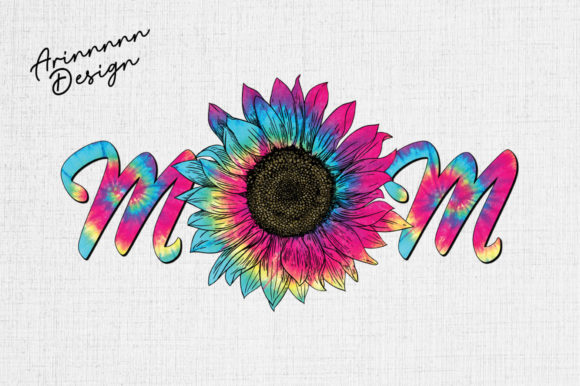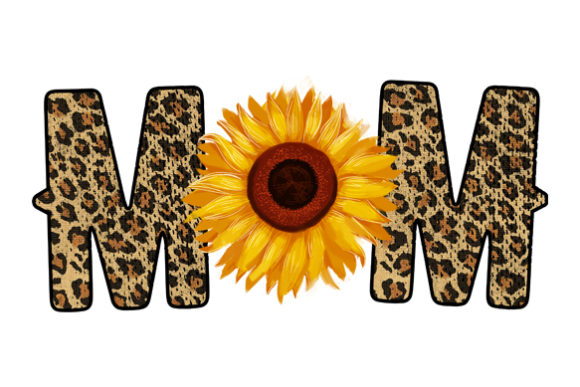
Reviewing the Sunflower Mom Leopard Sublimation Design
As a designer who spends half my life staring at stitch charts and the other half arguing with thread tension, I don’t just look at an embroidery design; I look at how it will survive the real world. When Sunflower Mom Leopard Sublimation Design landed on my desk, I didn’t immediately think about its file format or its category tags. I thought about the customer. I thought about the sweatshirt hanging in a boutique window, the tote bag slung over a shoulder at a farmer’s market, and the way light hits a textured fabric under store lighting. This review is not a technical manual. It is a practical evaluation of whether this design holds up when stitched out for actual use.
The First Impression: Mood and Visual Personality
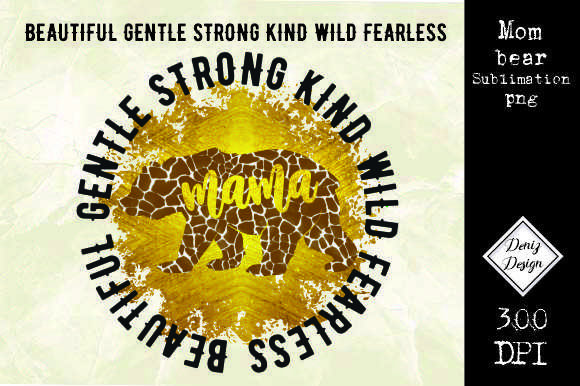
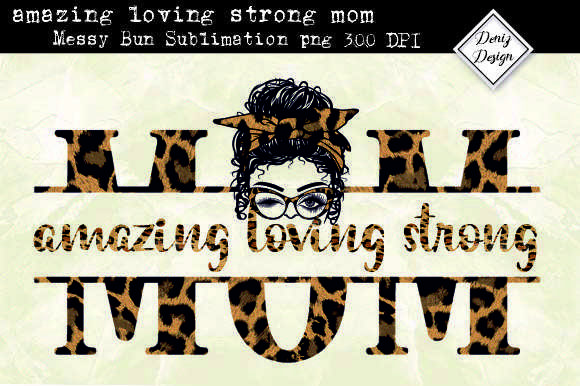
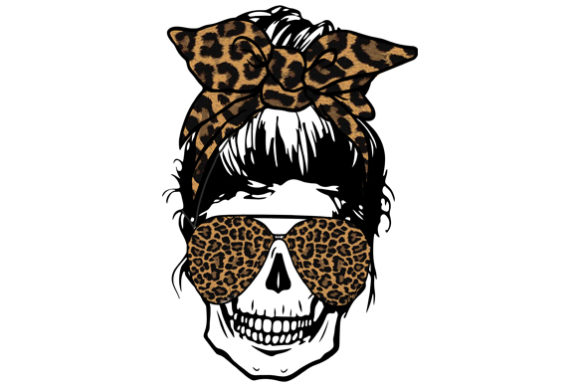
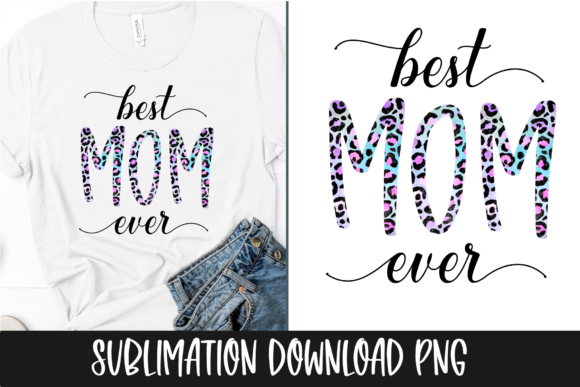
The moment you see Sunflower Mom Leopard Sublimation Design, it commands attention through contrast. The juxtaposition of the soft, organic curves of sunflowers against the sharp, wild geometry of leopard print creates a visual tension that is both modern and nostalgic. It feels like a design born from a specific aesthetic movement—one that blends maternal warmth with a touch of untamed edge. For the handmade product maker, this is gold. It moves away from the generic "mom life" clichés and offers something with character.
The layout suggests a balanced composition. It doesn’t feel cluttered, which is often the death knell for embroidery files that are too dense or busy. Instead, it has breathing room. This matters because in embroidery, negative space is as important as the stitches themselves. The design feels approachable yet sophisticated, making it suitable for a wide range of audiences. It appeals to the Etsy seller looking for a unique listing and the craft business owner who wants items that stand out on social media feeds.
Real-World Application: Where This Design Shines
I ran several mental simulations of using Sunflower Mom Leopard Sublimation Design in various projects. Here is where it truly excels:
- Custom Apparel and Sweatshirts: This is the natural home for this design. On a heavyweight cotton sweatshirt, the leopard print adds texture even if the stitching is flat, while the sunflowers provide a pop of color. It works beautifully as a chest pocket placement or a larger back print. The theme resonates deeply with customers buying personalized gifts for Mother’s Day or birthdays.
- Tote Bag Design: Canvas totes are a staple for the small shop product creator. This design translates well to canvas because the bold lines hold up against the coarse weave. It’s practical, durable, and stylish—a combination that drives sales.
- Baby Embroidery and Nursery Decor: Surprisingly, this works for baby items too. If scaled down appropriately, the leopard spots can mimic animal prints popular in nursery themes, while the sunflowers add a gentle touch. Think onesies, bibs, or quilt blocks.
- Embroidered Patch: The distinct shapes make it ideal for creating iron-on patches. These are high-margin items for digital product sellers and physical crafters alike. A patch featuring this design can be attached to denim jackets, backpacks, or hats, extending the life of the garment.
- Holiday Embryoidery: While not explicitly seasonal, the warm tones of the sunflower pair well with autumn decor. It fits perfectly into fall-themed collections, making it a versatile asset for year-round planning.
Technical Considerations and Stitch Clarity
Let’s talk about the mechanics. Sunflower Mom Leopard Sublimation Design relies heavily on the interplay between different stitch types. The leopard spots likely utilize a fill stitch or a dense satin cluster to create that spotted effect, while the sunflower petals might benefit from a lighter running stitch or a less dense fill to avoid bulk.
For the embroidery project to succeed, the stitch density must be managed carefully. If the leopard areas are too dense, the fabric will pucker, especially on lighter materials. If they are too sparse, the pattern loses its definition. As a reviewer, I advise checking the thread colors closely. The contrast between the background and the leopard spots needs to be sharp enough to read from a distance but subtle enough to feel integrated.
One critical note: since this is provided as a transparent background PNG file resolution 300 dpi, you are working with a raster image for sublimation or transfer, not necessarily a direct machine-readable code file unless converted. If you are using this as a reference for digitizing your own machine embroidery design, pay close attention to the edges. The transition between the floral elements and the animal print needs smooth digitization to prevent jagged artifacts in the final finished product.
Where to Use Caution
No design is perfect for every surface. There are scenarios where Sunflower Mom Leopard Sublimation Design might struggle:
- Small Hoop Sizes: If you attempt to stitch this in a very small hoop (under 4x4 inches), the details may become muddy. The distinction between individual spots and petals could blur, resulting in a blobby appearance rather than a crisp design.
- Textured or Stretchy Fabrics: Knits and highly textured weaves can distort fine details. If you are working with a stretchy jersey fabric, ensure you use a strong stabilizer to prevent the design from shifting during stitching. Otherwise, the symmetry of the leopard print will warp.
- Dense Stitch Areas: Avoid placing this design over existing seams or heavy zippers. The added bulk can cause needle breakage or uneven feeding through the machine.
- Curved Surfaces: While caps are popular, applying a large, complex design like this to a curved brim or crown requires advanced hooping techniques. It is better suited for flat panels or structured bags.
Impact on Brand and Customer Trust
In the world of commercial embroidery and craft business branding, quality speaks louder than marketing copy. A well-executed Sunflower Mom Leopard Sublimation Design signals professionalism. It shows that the seller cares about aesthetics and detail. When a customer sees a clean, vibrant embroidery job on a personalized gift, their trust in the brand increases. They perceive higher value, which justifies premium pricing.
Furthermore, the uniqueness of the design aids in recognition. In a sea of generic heart-and-flower motifs, this design stands out. It gives your printable mockup or physical listing a distinct identity. For creative entrepreneurs, this differentiation is crucial for standing out in crowded marketplaces.
Final Verdict and Practical Notes
Before committing to production, here is my checklist for using Sunflower Mom Leopard Sublimation Design:
- Test on Scrap Fabric: Always run a test stitch-out on the exact fabric you plan to use. Check for puckering, thread breaks, and color accuracy.
- Check Licensing: Ensure you have the right to sell finished goods if you are a small business owner. The description mentions it cannot be created as SVG files due to parsing issues, so verify the commercial usage rights explicitly.
- Inspect Small Details: Zoom in on the digital file. Are the tiny petals clear? Is the leopard pattern consistent? These micro-details determine the overall polish of the embroidery file.
- Use Proper Stabilizer: Match your stabilizer to your fabric weight. Heavy fabrics need heavy stabilizers; light fabrics need tear-away or wash-away options to maintain flexibility.
Ultimately, Sunflower Mom Leopard Sublimation Design is a strong contender for any graphics or crafts portfolio. It balances trendiness with timelessness, offering versatility across multiple product categories. Whether you are creating a one-off custom apparel piece or scaling up for a holiday gift collection, this design provides a solid foundation for a beautiful, marketable embroidery project. Just remember: the best design in the world only shines when executed with care, proper technique, and a keen eye for detail.